
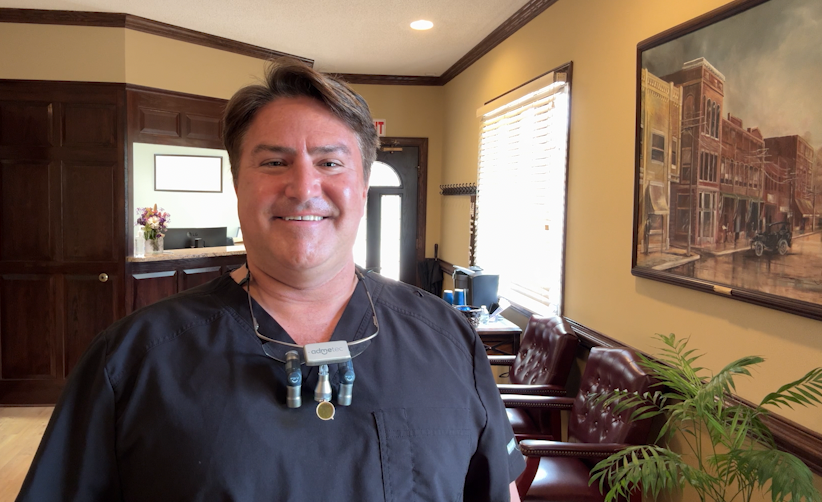
 See My Latest Article on HelloNation

Why Do People in Asheboro, NC Sometimes Fear Going to the Dentist?
Some community members avoid dental care because of anxiety or fear. This reaction is more common than many realize. For some, fear develops from a previous unpleasant dental experience. Others may have heard unsettling stories from friends or relatives. For many, simply being in a clinical environment or anticipating pain can cause unease.
In Asheboro, anxiety may be heightened due to unfamiliarity with dental procedures or worries about safety and comfort. Recognizing the causes is an important start to managing those feelings.
Common reasons for dental anxiety include:
- Fear of discomfort or pain
- Concern about needles or instruments
- Embarrassment over the condition of their teeth
- Negative memories from childhood visits
- A sense of losing control in the chair
Can Dental Fear Affect Overall Health?
Dental anxiety can lead people in the city to put off routine checkups, resulting in more complicated problems later. This cycle can make visits feel more intimidating, increasing the chances of future avoidance.
Avoiding dental visits can increase the risk of:
- Tooth decay and gum problems worsening unnoticed
- More invasive treatments later on
- Embarrassment or self-consciousness about oral health
Regular preventive visits, when possible, keep care simpler and less stressful over time. Building familiarity with routine checkups often eases fear.
What Are Practical Strategies to Reduce Fear Before a Dental Visit?
Managing anxiety begins at home, long before any appointment or exam. Small actions can contribute to a sense of control and calm.
Tips for reducing dental anxiety:
- Learn about routine dental checkups to know what to expect
- Practice slow, deep breathing or mindfulness exercises during stressful moments
- Talk with trusted friends or family who have positive dental experiences
- Bring headphones and listen to calming music while waiting or during your visit
- Note specific fears and questions in a small notebook to discuss with dental staff
Preparation is especially helpful for children and teens. Reading books about dental care or watching friendly educational videos can make first visits feel less daunting.
How Do Dentists Help People Feel More Comfortable?
Many dental professionals in Asheboro are trained to recognize and ease patients’ nervousness. Communicating openly about fears makes a meaningful difference.
What dental teams might do to help:
- Explain each step before starting a procedure
- Offer breaks if anxiety rises
- Use gentle techniques and modern devices for greater comfort
- Allow patients to signal if they need a pause
While every office varies in approach, most are receptive to questions about comfort measures and explanations.
Does the Dental Setting in Asheboro Affect Comfort?
In the city, dental practices often reflect the community’s focus on friendliness and patience. Some offices provide quieter, less clinical environments, which area residents may find soothing.
Features that can make visits less stressful:
- Calming décor and natural lighting
- Soothing music or entertainment options
- Supportive staff attentive to nervous patients
- Flexible scheduling to avoid crowded waiting areas
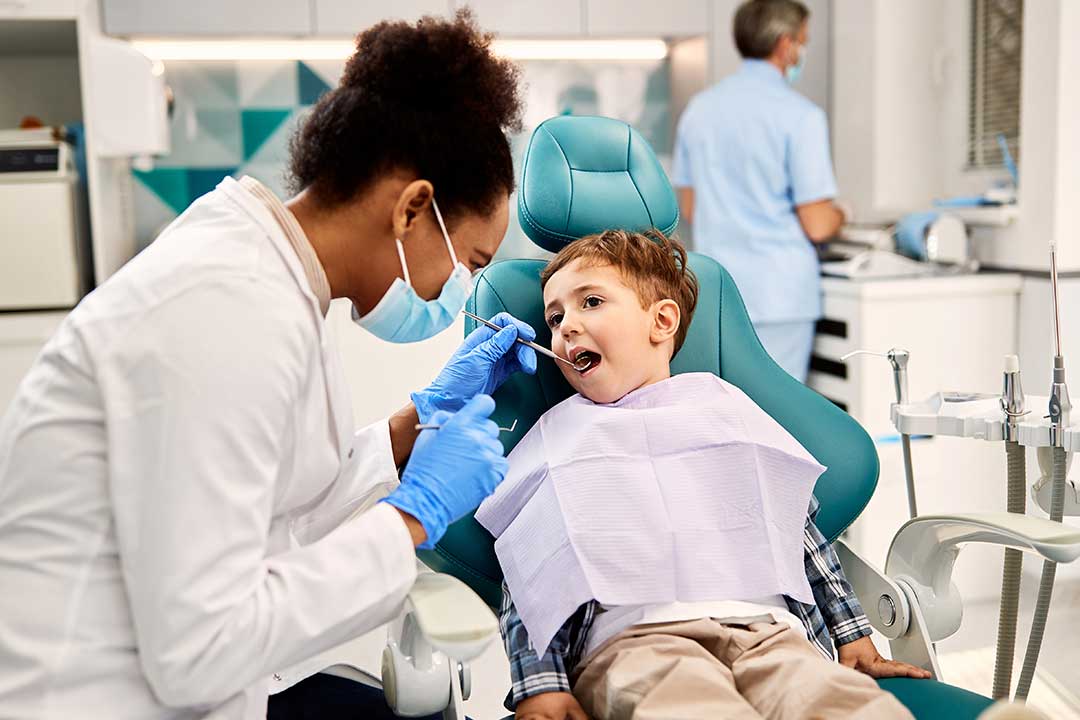
If certain times of day make people less anxious, asking about morning or less-busy appointment slots may be an option.
Are There Misconceptions That Make Dental Visits Harder Than They Need to Be?
Some local residents worry that any dental visit will be painful or judgmental, but most general dentistry procedures are minimally invasive. New technology and anesthetics have made care much gentler than in previous decades.
Misconceptions include:
- Believing all dental work is painful—modern methods minimize discomfort
- Fearing criticism—dental professionals prioritize support over judgment
- Assuming that putting off care saves money—it often leads to more complex and costly issues
Understanding the true nature of dental care can remove some barriers to seeking help.
When Is It Necessary to Seek Specialized Support for Dental Anxiety?
For some, anxiety remains strong despite preparation. Support beyond self-help strategies may be warranted if fear consistently prevents attending checkups—even when problems are present.
Such situations might benefit from:
- Consulting a primary care provider for medical advice about anxiety
- Asking about gentle anxiety relief options approved for use in dental settings
- Exploring behavioral counseling or therapy for deep-seated phobias
Very strong fear is not uncommon, and many have found that additional support makes regular preventive care possible.
What Can Parents Do to Help Children Have a Positive Outlook on Dental Visits?
Building positive dental attitudes early is especially important for families in Asheboro. Children respond best when visits are framed as routine and non-threatening.
Ways parents can support children:
- Introduce dental care at home in a gentle, playful way
- Use positive language—avoid words like “hurt” or “shot”
- Share stories about personal positive experiences
- Stay calm—children often reflect adult anxiety
Planning the first visit when there are no urgent issues allows for a simple, pressure-free introduction to the dental office.
Dental fear can be lessened over time. By using clear communication, small comfort strategies, realistic expectations, and—when needed—community or professional resources, both adults and children in Asheboro can take positive steps toward better oral health with more comfort and confidence.