

 See My Latest Article on HelloNation

Dental myths can influence everyday decisions, from how people brush to whether they ignore bleeding gums or tooth pain. Some misconceptions are harmless, but others may contribute to cavities, enamel wear, gum disease, or delayed treatment.
For residents of Asheboro, NC, practical dental care is often shaped by busy household routines, school schedules, seasonal changes, and access to clean water and healthy foods. Knowing which advice is reliable makes it easier to protect teeth and recognize problems early.
Does brushing harder clean teeth better?
No. Brushing with excessive force can irritate the gums and gradually wear down enamel, especially when combined with an abrasive toothpaste or a firm-bristled toothbrush.
Effective brushing depends more on technique and consistency than pressure. A soft-bristled brush should be held at about a 45-degree angle toward the gumline. Gentle, short strokes are usually enough to remove plaque. Scrubbing aggressively may create gum recession or make teeth more sensitive near the gumline.
A useful sign of overbrushing is a toothbrush that becomes flattened or worn after a short period. A brush should generally be replaced when the bristles fray, or about every three to four months for many people.
Is sugar the only cause of cavities?
No. Sugar is a major contributor, but cavities develop through an interaction between oral bacteria, fermentable carbohydrates, tooth enamel, saliva, and time.
Bacteria in plaque use sugars and starches from foods and drinks to produce acids. Those acids temporarily weaken enamel. Saliva helps neutralize the acids and supplies minerals that support repair, but frequent snacking or sipping can keep the mouth acidic for long periods.
Foods that may contribute include:
- Sweetened drinks, candy, and desserts
- Crackers, chips, bread, and other refined starches
- Sweetened coffee or tea consumed slowly throughout the day
- Sticky foods that remain on the teeth
The total pattern matters. A sweet food eaten with a meal is generally less damaging than repeatedly sipping a sugary beverage between meals. Water between meals can help rinse the mouth and reduce repeated acid exposure.
Does fruit damage teeth because it contains sugar?
Not necessarily. Whole fruit contains natural sugar, but it also provides water, fiber, and nutrients. Chewing whole fruit is different from drinking juice or consuming concentrated fruit snacks.
Fruit juice can expose teeth to both sugar and acid without the fiber found in whole fruit. Dried fruit may also stick to tooth surfaces. This does not mean these foods must be avoided, but portion size and frequency matter. Eating them with meals and rinsing with water afterward can reduce lingering exposure.
Citrus fruits and acidic drinks deserve particular attention because acid can soften enamel. Brushing immediately after acidic foods or beverages may increase surface wear. Waiting about 30 minutes before brushing gives saliva time to help the enamel recover.
If gums bleed, should brushing stop?
Usually, no. Bleeding during brushing or flossing often signals inflammation caused by plaque along the gumline. Stopping oral hygiene may allow more plaque to accumulate and make the problem worse.
Gentle brushing and careful daily cleaning between the teeth can reduce inflammation. However, persistent bleeding should not be dismissed as normal. Gums that bleed frequently, swell, feel tender, or pull away from the teeth may indicate gingivitis or a more advanced gum problem.
Bleeding can also have other causes, including certain medications, hormonal changes, poorly fitting dental appliances, or medical conditions. If it continues despite consistent gentle cleaning, an evaluation is appropriate.
Does flossing create gaps between teeth?
Proper flossing does not create spaces between healthy teeth. It removes plaque and trapped debris from areas that a toothbrush cannot reach.
Floss may feel tight at first if the contacts between teeth are close. The strand should be guided gently through the contact rather than snapped downward. Once below the gumline, it should curve around one tooth in a “C” shape and then the neighboring tooth.
A visible gap may appear after swollen gums become healthier and shrink slightly. That change reflects reduced inflammation rather than damage caused by flossing. Some people may need alternatives such as interdental brushes or water flossers, particularly if hand dexterity or dental spacing makes traditional floss difficult.
Is tooth pain the only sign of a dental problem?
No. Dental disease may develop without pain, especially in its early stages. Cavities, gum disease, enamel erosion, and cracks can sometimes be present before noticeable symptoms appear.
Possible warning signs include:
- Sensitivity to cold, heat, sweetness, or pressure
- Bleeding or swollen gums
- Persistent bad breath or an unpleasant taste
- A rough edge, chipped area, or visible hole
- Food repeatedly catching in the same location
- Changes in the way teeth fit together
- Loose adult teeth
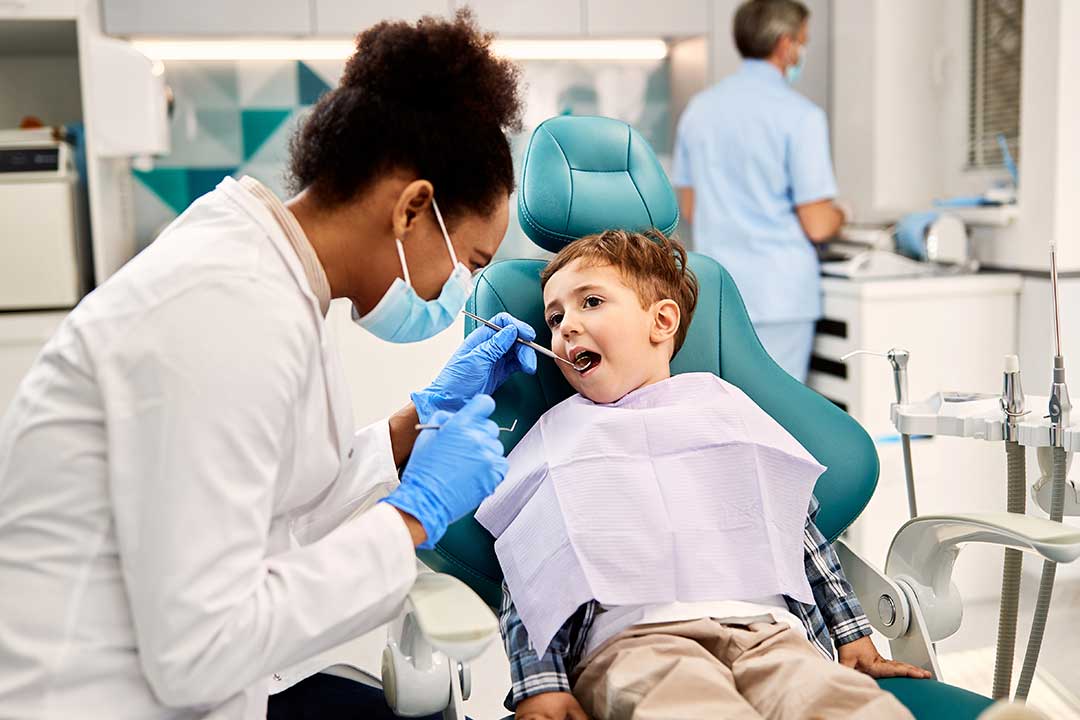
Pain that disappears does not always mean the problem has resolved. In some cases, discomfort fades because the nerve inside a tooth has become severely damaged. Facial swelling, fever, difficulty swallowing, or difficulty breathing requires prompt attention because infection can spread beyond the tooth.
Can whitening toothpaste whiten teeth permanently?
No. Whitening toothpastes generally remove some surface stains rather than changing the natural color of the tooth from within.
Surface stains may come from coffee, tea, tobacco, dark sauces, or certain foods. Whitening toothpaste can make teeth appear cleaner, but frequent use of highly abrasive products may increase sensitivity or wear enamel. Tooth color is also affected by age, genetics, enamel thickness, and changes inside the tooth.
Dental restorations such as fillings, crowns, and veneers do not whiten in the same way as natural enamel. This can lead to uneven color if whitening products are used without considering existing restorations.
Is fluoride unsafe or unnecessary for adults?
Fluoride remains useful for people of all ages because it strengthens enamel and helps reverse early mineral loss. Fluoride toothpaste is widely used because it delivers a small amount directly to the tooth surface during brushing.
The key is appropriate use. Adults should brush with a fluoride toothpaste and avoid swallowing large amounts. Young children need supervision and age-appropriate quantities because developing teeth can be affected by excessive fluoride ingestion.
Fluoride does not replace brushing, cleaning between teeth, or attention to dietary habits. It is one part of cavity prevention.
Does a cavity go away once it stops hurting?
No. A cavity does not naturally rebuild itself after a hole has formed. Very early mineral loss may sometimes be slowed or reversed with improved plaque control, fluoride, saliva support, and dietary changes. A true cavity requires assessment because decay can continue beneath the surface.
A painless cavity may still enlarge. Delaying care can allow decay to reach the inner portion of the tooth, where treatment becomes more complex and the risk of infection increases.
Are natural remedies always safer than dental products?
No. “Natural” does not automatically mean harmless or effective. Substances such as undiluted acidic liquids, abrasive powders, essential oils, or concentrated antiseptics may irritate soft tissue or wear enamel.
Salt-water rinses can provide temporary comfort for some minor irritation, but they do not remove decay or cure an infection. Clove-based products may temporarily numb an area, yet they can irritate tissue when used improperly. Home care should support—not replace—basic oral hygiene and timely evaluation of ongoing symptoms.
Understanding these myths helps residents make better day-to-day choices: clean teeth gently, limit repeated sugar and acid exposure, pay attention to gum changes, and treat persistent symptoms as useful information rather than something to ignore.