
 See My Latest Article on HelloNation

What Happens During a Routine Dental Cleaning?
A routine dental cleaning is a preventive oral health visit performed by a licensed dental hygienist and typically concluded by a dentist’s exam. For residents of Asheboro, NC, a cleaning generally takes 30 to 60 minutes and is a common practice for maintaining long-term oral health.
You can expect the following steps during a standard cleaning:
- Review of your health history and changes since your last visit
- Visual assessment of teeth and gums
- Removal of plaque, tartar, and surface stains
- Professional flossing and polish
- Personalized recommendations for home care
Local water sources and dietary habits, including higher consumption of sweet iced tea and seasonal produce, can affect build-up on teeth and overall oral health. Cleanings every six months are standard, matching the needs of most area households.
What Tools and Techniques Are Used?
After a short discussion about your medical and dental background, the hygienist will use special handheld instruments designed to gently remove soft and hardened deposits. Here’s a closer look at what’s involved:
- A mirror tool helps spot buildup in hard-to-see spots
- Scalers are used to gently scrape away tartar (hardened plaque), especially at the gumline and between teeth
- An ultrasonic device may be used for more stubborn deposits, vibrating to loosen them without damaging the enamel
- Gritty toothpaste and an electric rotary brush provide a polishing step to reduce staining and leave teeth feeling smooth
None of these steps should be painful, but some residents may feel mild sensitivity, especially if it's been over a year since the last visit or if brushing and flossing at home are inconsistent.
Are X-Rays or Exams Always Part of the Visit?
In most cases, periodic dental X-rays are taken during cleaning visits, but not always. The decision depends on your age, oral health history, and any new symptoms you've mentioned. For local children and those new to town, X-rays help catch early signs of decay between teeth or below older dental work.
A dentist typically does a visual exam after the cleaning, checking for signs of cavities, gum disease, or other concerns. Some visits may also include screenings for oral cancer or discussion about changes in mouth tissues.
How Should You Prepare for a Cleaning?
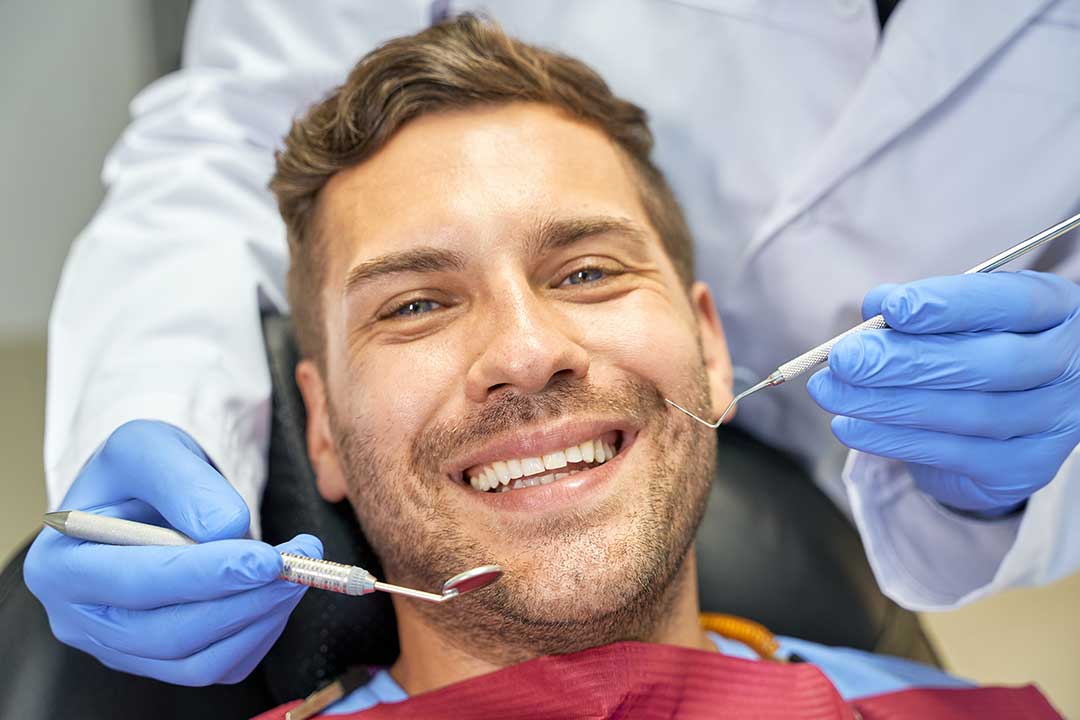
There’s no special preparation required—simply brush and floss as usual before your appointment. Bringing a list of any new medications, allergies, or recent illnesses is helpful. Parents in Asheboro often bring children’s favorite small toys or comfort items to ease nerves in a new environment.
Avoid heavy snacking or caffeine shortly before your appointment; a clean mouth and calm system can improve your experience. Some residents prefer to schedule visits at less busy times, like late mornings or early afternoons, to minimize wait times.
What If You Have Dental Anxiety or Special Needs?
It’s not uncommon for residents to feel nervous about dental visits, especially after a long gap or following a difficult previous experience. Most local practices are accustomed to helping patients of all ages feel at ease. Techniques include explaining each step, offering breaks when needed, and using topical numbing gel for more sensitive areas.
If you, a child, or an elder in your family has chronic health issues, mobility limitations, or sensory sensitivities, mention this when scheduling. Many offices in the city can make adjustments—like extra time or a quieter treatment area—to make care more accessible.
Is There Discomfort During or After the Cleaning?
Most people only experience a mild tickling or scraping sensation during a cleaning. Light bleeding is common if there’s existing inflammation or if tartar is being removed from below the gumline. Slight soreness after the visit, especially for those with more buildup, generally fades within a day.
Softer brushing and skipping harsh foods for a few hours can help. If discomfort or bleeding persists into the next day, it could mean underlying gum issues that need further attention.
What Are Common Misconceptions About Cleanings?
Some local residents worry professional cleanings might damage their teeth or cause fillings to loosen; this is very rare. The tools and polish are designed to be safe for enamel, and trained staff are careful around existing dental work.
Another misconception: that at-home brushing and flossing can fully replace professional cleanings. While good daily care makes cleanings quicker and easier, only a hygienist can safely remove hardened tartar and monitor for early problems that develop under the gumline or between teeth.
How Often Should You Schedule Cleanings in the Area?
Most area dentists recommend cleanings twice a year for healthy adults and children. Some residents with gum disease, chronic medical conditions, or braces may need more frequent checks. Asheboro’s humid summers and heating use in winter can shift oral dryness and bacteria levels, which may also impact recommended intervals for some households.
Regular cleanings are one of the most effective ways to prevent dental issues like cavities and gum disease—from childhood into older adulthood. For local families, sticking to a consistent preventive schedule supports overall well-being and helps avoid more complex dental problems later.